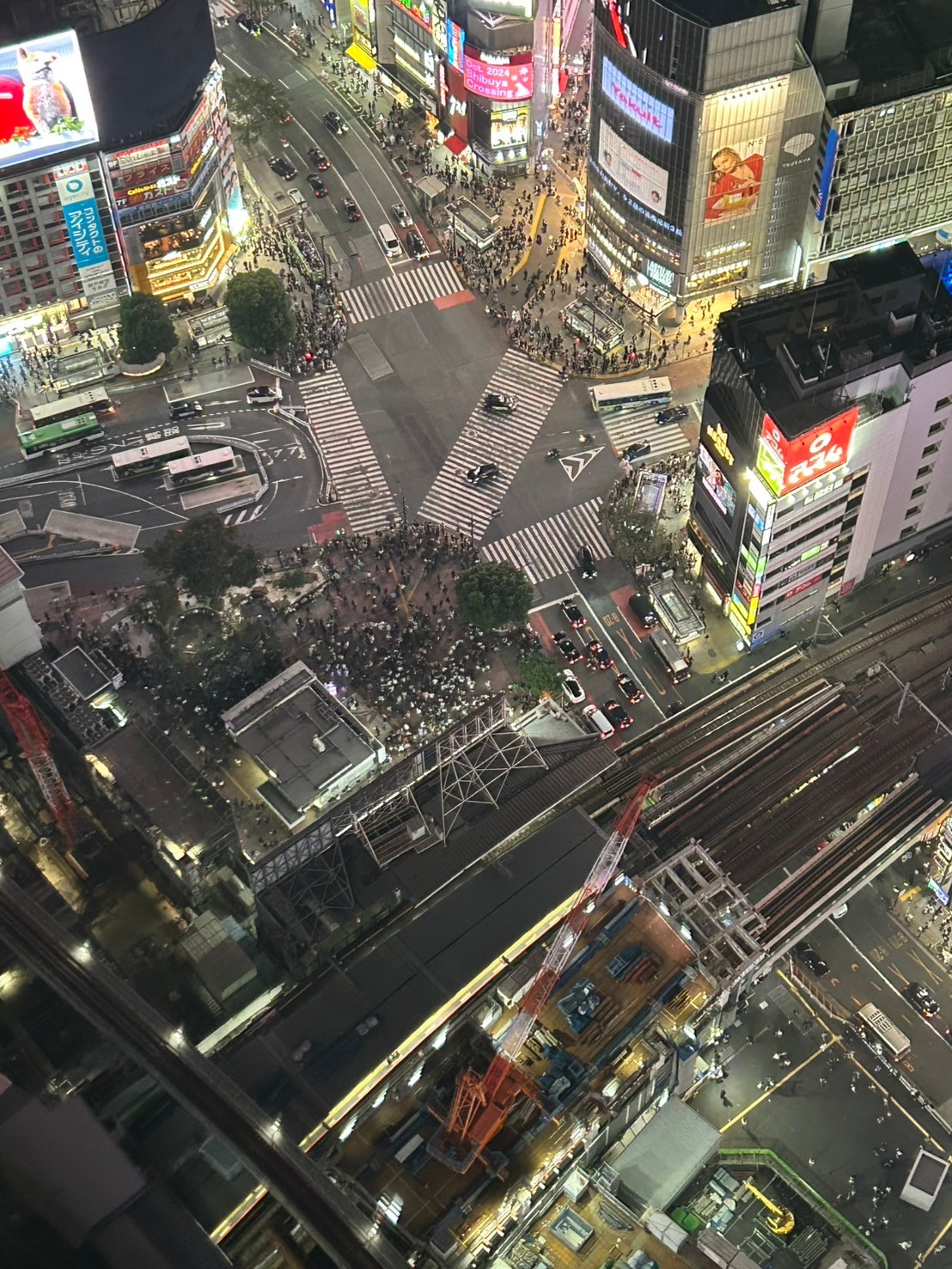
Every time I take a foreign friend to Shibuya for the first time, I watch their face as the crossing changes. The lights go red in all directions. Then green. And suddenly the intersection fills—not with chaos, but with synchronized chaos, hundreds of people flowing through each other like water molecules without a single collision.
Their first instinct is always to reach for a camera. Their second is to stop walking and stare.
My instinct is to watch them. Because what they’re witnessing without realizing it is the operating philosophy of Japanese society made visible: individual freedom moving within a shared framework, producing something that looks like disorder from the outside but is deeply, precisely ordered from within.
Welcome to Shibuya.
The Scramble Crossing: More Than a Photo Opportunity
The Shibuya Scramble Crossing (渋谷スクランブル交差点) processes an estimated 3,000 people per crossing cycle at peak hours. It is, by most measures, the busiest intersection on earth.
But here’s what I want you to understand about it: nobody is directing traffic. There are no crowd marshals, no painted flow lines, no announcements. The choreography emerges from a shared social understanding—kuuki wo yomu (空気を読む), “reading the air”—the quintessentially Japanese skill of sensing unspoken group expectations and aligning your behavior to them.
Japanese children learn this skill before they can articulate it. It is why the crossing works. It is also why Japan can feel simultaneously free and tightly regulated to visitors who come from cultures that rely on explicit rules.
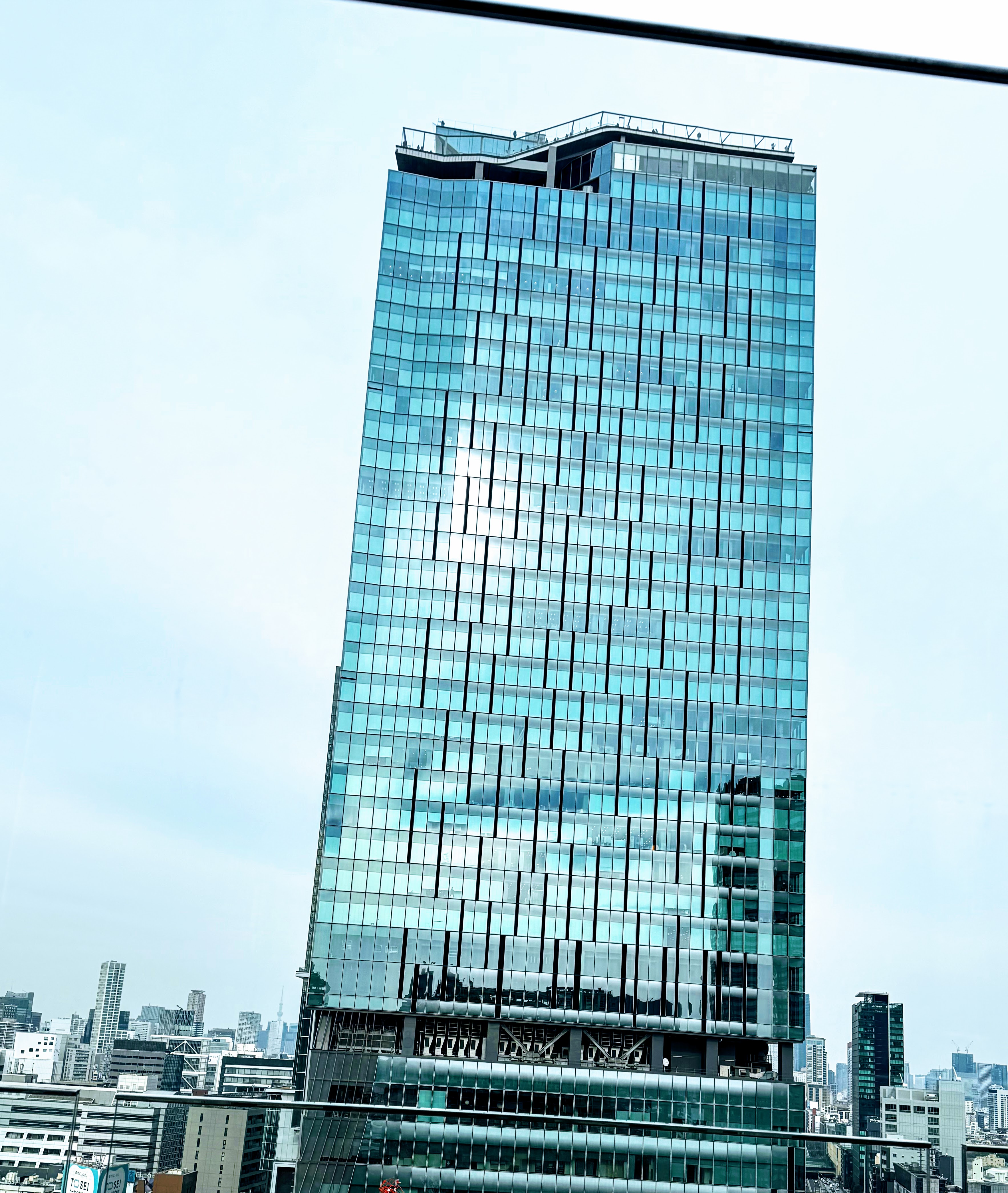
Practical tip: Don’t just watch from the ground. Take the elevator to the Mag’s Park rooftop terrace (free, above Shibuya 109-2) or buy a ticket to Shibuya Sky (¥2,200). The crossing seen from above is a different experience entirely—the individual people dissolve and you see only pattern, only flow. It is genuinely moving in a way that watching from street level cannot replicate.
Two Shibuyas: The City’s Public Face and Its Private One
Shibuya has always operated in two registers simultaneously.
The public face—the neon, the crossing, the department stores, the youth fashion—is what the district exports to the world. This is Shibuya as cultural product, and it is real. The harajuku-adjacent streets around Center-gai are a genuine laboratory of Japanese youth culture, where new fashion movements emerge years before they reach global consciousness.
But the private Shibuya is only 10 minutes away on foot.
Oku-Shibuya: Where the Creative Class Lives
Walk away from the station toward Yoyogi Park and the streets change register. The neon fades. The crowds thin. You enter what locals call Oku-Shibuya (奥渋谷)—“Deep Shibuya”—a neighborhood of single-owner coffee shops, small publishers, food importers, and design studios.
This is where Tokyo’s photographers, architects, and filmmakers spend their Sundays. The cafes are small and serious about coffee. The bookshops carry titles you won’t find on Amazon. The bakeries source flour from specific farms in Hokkaido.
What this area reveals about Japan: The Japanese concept of kodawari (こだわり)—an obsessive, almost irrational commitment to one specific thing done at the highest possible level—is expressed here in every specialty coffee shop and hand-printed tote bag. It is the same spirit that makes a master sushi chef spend three years learning only how to prepare rice. Oku-Shibuya is a neighborhood built from kodawari.
Nonbei Yokocho: The Post-War Bar Alley That Time Forgot
Tucked behind the train tracks, a two-minute walk from the crossing, is Nonbei Yokocho (のんべい横丁)—“Drunkard’s Alley.” Roughly 40 tiny bars occupy a single narrow lane, each one barely larger than a living room.
Some have been run by the same family since the 1940s, in the immediate aftermath of the war. The buildings are technically illegal by current fire codes—too close together, too wooden—but they are protected as historical atmosphere.
Sitting at a bar in Nonbei Yokocho, drinking cheap sake, elbow-to-elbow with a salary man who has been coming to the same stool for thirty years, is the closest most visitors will get to the Tokyo that existed before the economic miracle erased it. The owner will likely speak no English and will not care. They will refill your glass and point at the menu and nod when you point back.
This is how Japanese hospitality actually works when it’s not performing for foreigners: quiet, attentive, personal, and completely uninterested in explanation.
Shopping in Shibuya: Understanding What These Stores Actually Mean
Shibuya Parco: Japan’s Cultural Metabolism
Shibuya Parco is not a shopping mall in any conventional sense. When it reopened in 2019 after a four-year renovation, it was designed as a physical manifestation of the borderlessness of contemporary Japanese culture. The Nintendo Store is next to a gallery showing independent manga artists. The Pokémon Center is one floor below a boutique stocking archival Yohji Yamamoto.
Japanese culture does not hierarchy these things. A 9-year-old’s enthusiasm for Pikachu and a 45-year-old designer’s passion for Comme des Garçons occupy the same legitimate cultural space. This is sometimes dismissed in the West as immaturity. Japanese people understand it as a refusal to perform sophistication at the cost of genuine pleasure.
Loft: The Anthropology of Stationery
Loft is a Japanese lifestyle store, and its stationery section is one of the most revealing artifacts of Japanese culture available to visitors. The sheer variety of notebooks, pens, planning systems, and organizational tools reflects a society that has elevated writing by hand to something approaching spiritual practice.
Japan has a word—teinei (丁寧)—that means “careful, considered, unhurried.” The Japanese notebook culture is the material expression of teinei. You can spend an hour here without buying anything and leave understanding the country better.
Strategic Notes for Your Visit
On the Hachiko Statue: The famous Akita dog who waited nine years at Shibuya Station for his deceased owner has become Tokyo’s most photographed dog statue—and consequently always surrounded by a crowd doing exactly that. Go at 7 AM for a clear shot, or simply accept that the statue will be occupied and that this is part of its meaning. Hachiko’s loyalty was not conditional on ideal circumstances.
On navigating the station: Shibuya Station is a genuine labyrinth, currently mid-way through a decade-long renovation project. It connects 9 railway and subway lines across 3 companies. Give yourself 15 minutes buffer for any connection, use the underground passages to cross the district above, and accept getting slightly lost as part of the experience.
On timing: Visit at blue hour—the 20 minutes after sunset before full darkness. The sky goes indigo and the neon starts to saturate. This is the light in which Shibuya was designed to be seen.
What Shibuya Is Actually About
Every few years, international media declares that Shibuya’s youth culture is dying—that young Japanese people are less fashion-conscious, less rebellious, less interesting than previous generations. This has been written since the 1990s and has never been true.
What is true is that each generation of Japanese youth builds its culture differently from the last. The street fashion tribes of the early 2000s have been replaced by communities organizing around music, gaming, craft beer, specialty coffee, and independent publishing. The instinct—to carve out cultural space that belongs to you, not to your parents’ generation—remains unchanged.
Shibuya is where that instinct has always lived. It will keep living there long after the current trends have faded.
The Scramble Crossing clears every 90 seconds. The city refreshes. People pour back in. The pattern re-emerges. If you stand there long enough, you stop seeing chaos and start seeing something else: a city that knows exactly how to be itself.