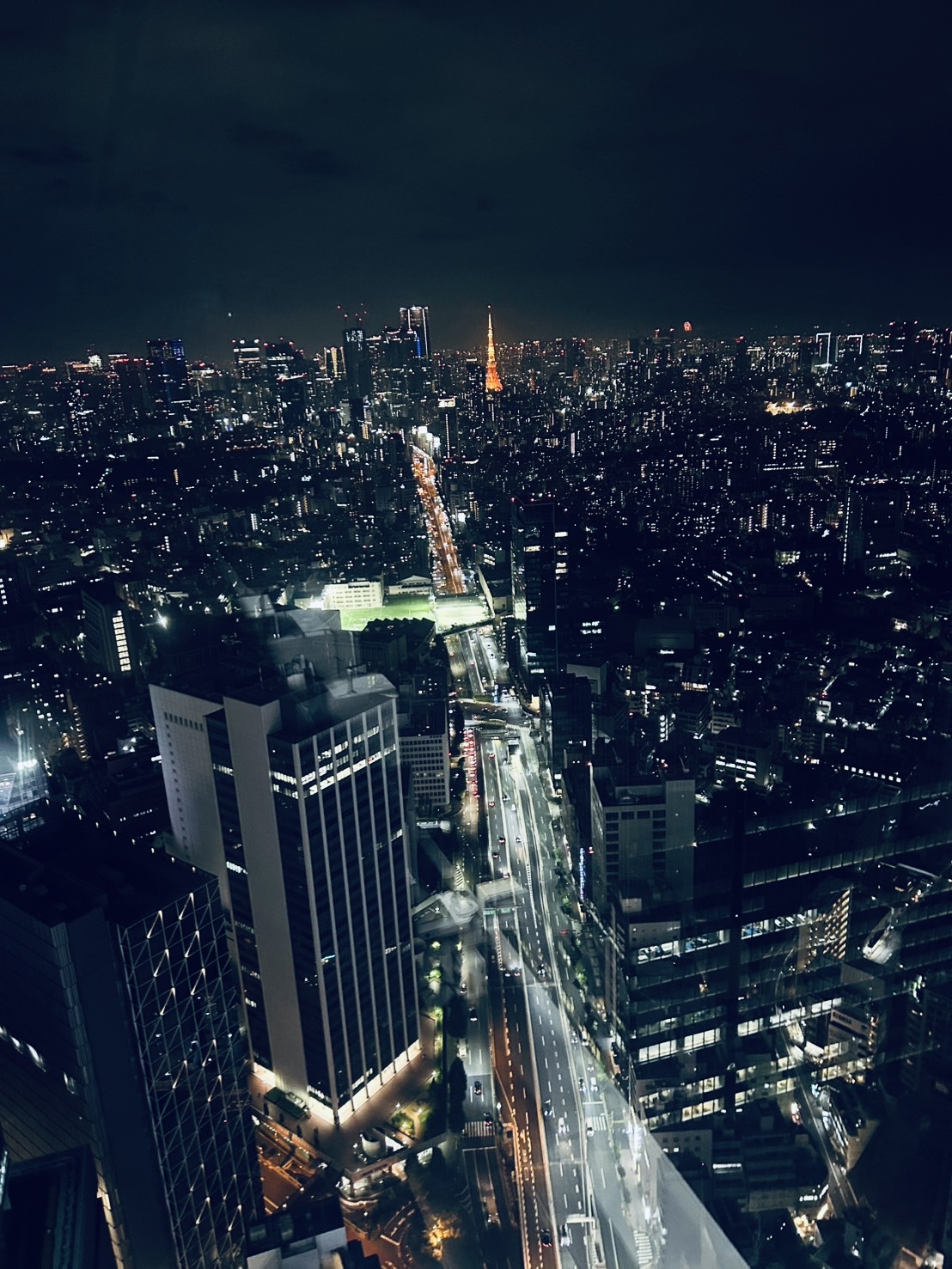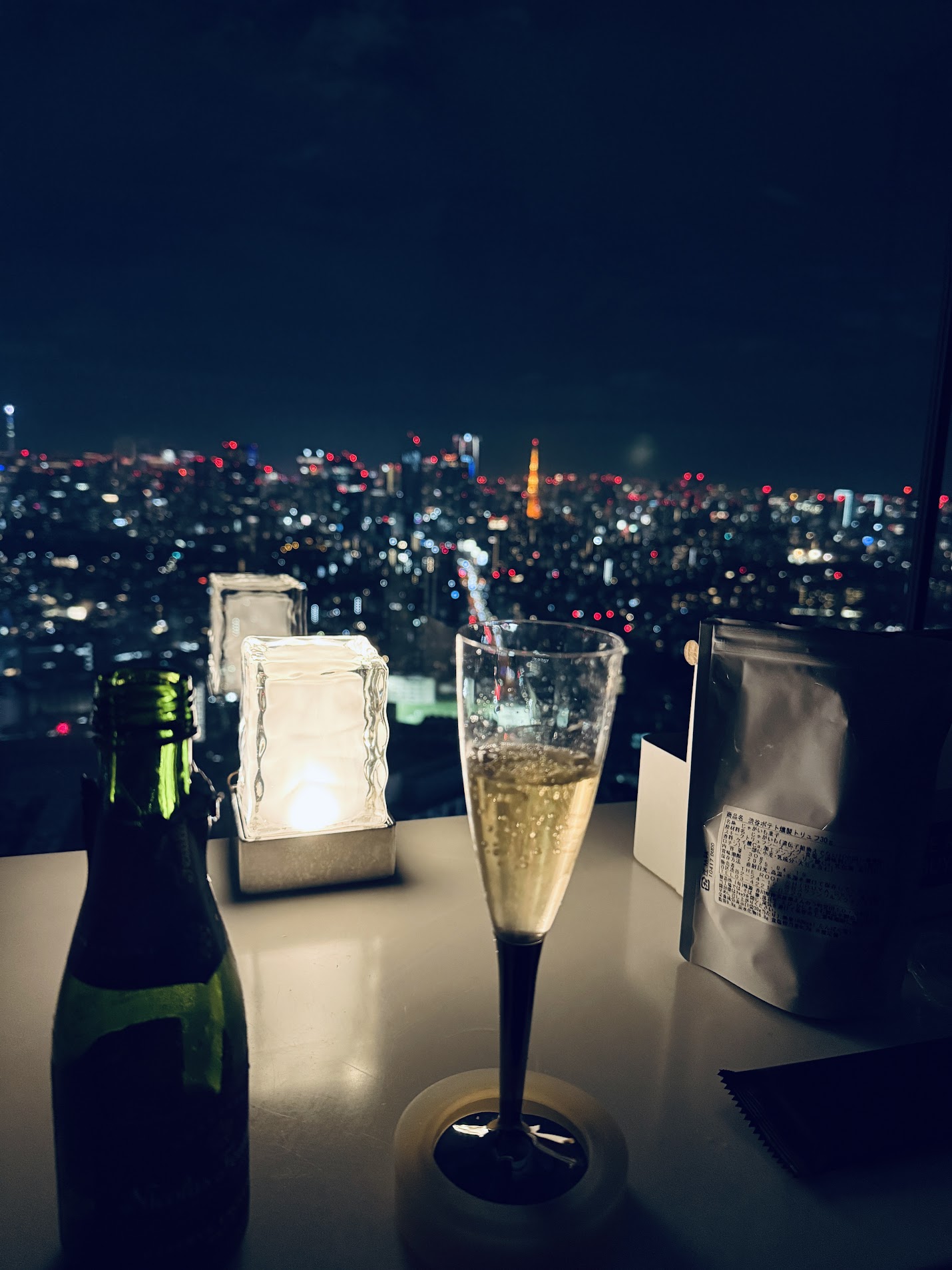
Floating Above the Neon: Why SHIBUYA SKY is the Definitive Tokyo Experience of 2026
Tokyo is a city defined by its layers. From the subterranean ramen shops of Shinjuku to the sprawling rail networks that pulse like arteries, the metropolis is often experienced from the ground up. But in 2026, the essential Tokyo pilgrimage has shifted skyward.
Enter SHIBUYA SKY.
Standing 229 meters above the iconic Scramble Crossing (スクランブル交差点), this isn’t just another observation deck—it is a masterclass in urban architecture, sensory immersion, and Japanese hospitality. If you are planning your first post-pandemic venture to the capital, here is why this rooftop stage deserves the top spot on your itinerary.
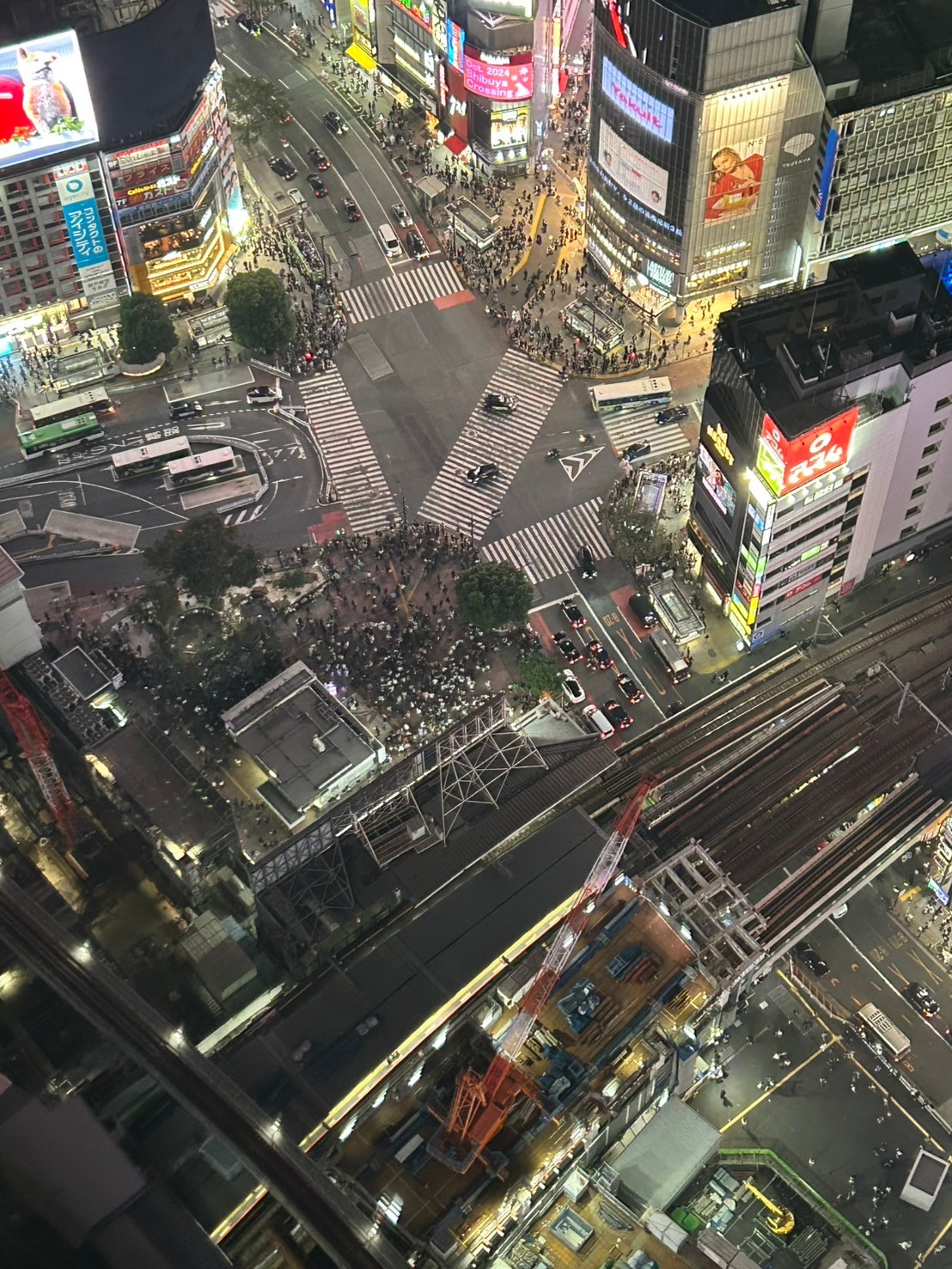
The Architecture of Awe
Located atop the Shibuya Scramble Square skyscraper, the journey begins before you even reach the roof. The “Sky Rising” elevator transition uses synchronized light and sound to detach you from the frantic energy of the streets below.
Once you emerge onto the 46th floor, you aren’t greeted by windows, but by the wind. Unlike the enclosed galleries of the Tokyo Skytree or Tokyo Tower, SHIBUYA SKY’s Sky Stage is an open-air plaza. In a city where personal space is a luxury, standing on the Sky Edge—a glass-walled corner that makes you feel as though you are hovering over the Shibuya district—is a profound moment of liberation.
2026: The Year of the “Conscious Traveler”
In 2026, Japan has fully embraced a digital-first, sustainable approach to tourism. SHIBUYA SKY exemplifies this:
- Seamless Entry: Gone are the days of paper stubs. Entry is managed through Visit Japan Web integrated QR codes and pre-booked e-tickets.
- Environmental Harmony: The facility operates with a focus on reducing its carbon footprint, utilizing energy-efficient lighting that mimics the natural circadian rhythm of the city.
- Accessibility: The space is a model for Universal Design, ensuring that travelers of all physical abilities can navigate the rooftop without barriers.
Timing Your Ascent: The “Golden Hour” Strategy
The secret to the perfect visit remains the Sunset Window. To witness the transition from the “Blue Hour” to the neon-soaked night is to see Tokyo’s true face.
On a clear day, Mount Fuji (富士山) reveals itself to the west, a stoic contrast to the shimmering skyscrapers of Shinjuku. As the sun dips, the rooftop’s “Crossing Light” searchlights begin their dance, signaling the start of the night.
Guru Tip: Book your slot at least 4 weeks in advance via the official website. The 4:30 PM to 6:00 PM slots (depending on the season) are the most coveted tickets in the city.
Cultural Etiquette: The “Why” Behind the Rules
Japan’s high standards for safety and harmony (Wa / 和) are strictly observed here. You will be asked to store all loose items—hats, scarves, and even tripods—in lockers. While this might seem strict to a first-timer, it’s what allows the deck to remain “wall-less.” Without these rules, the wind could turn a dropped phone into a hazard for the thousands of people walking the Scramble below.
Beyond the View: The Shibuya Ecosystem
A visit to the sky is only half the story. To truly appreciate the scale, you must descend back into the “organized chaos.”
- The Izakaya Culture: After your descent, head to the nearby Nonbei Yokocho (Drunkard’s Alley) for a juxtaposition of ultra-modern heights and rustic, mid-century charm.
- Sustainability in Retail: Explore the lower floors of the Scramble Square building, which feature local artisans and eco-friendly Japanese brands—perfect for souvenirs that aren’t “tourist kitsch.”
Final Thoughts for the 2026 Traveler
Tokyo is a city that never stops evolving, yet it remains anchored by a deep respect for the observer’s experience. SHIBUYA SKY is the pinnacle of this evolution. It offers a moment of Zen-like stillness above the world’s busiest intersection.
Whether you are a solo backpacker capturing the ultimate “Sky Edge” photo or a family marveling at the sheer scale of human engineering, this is where you will truly see Tokyo.