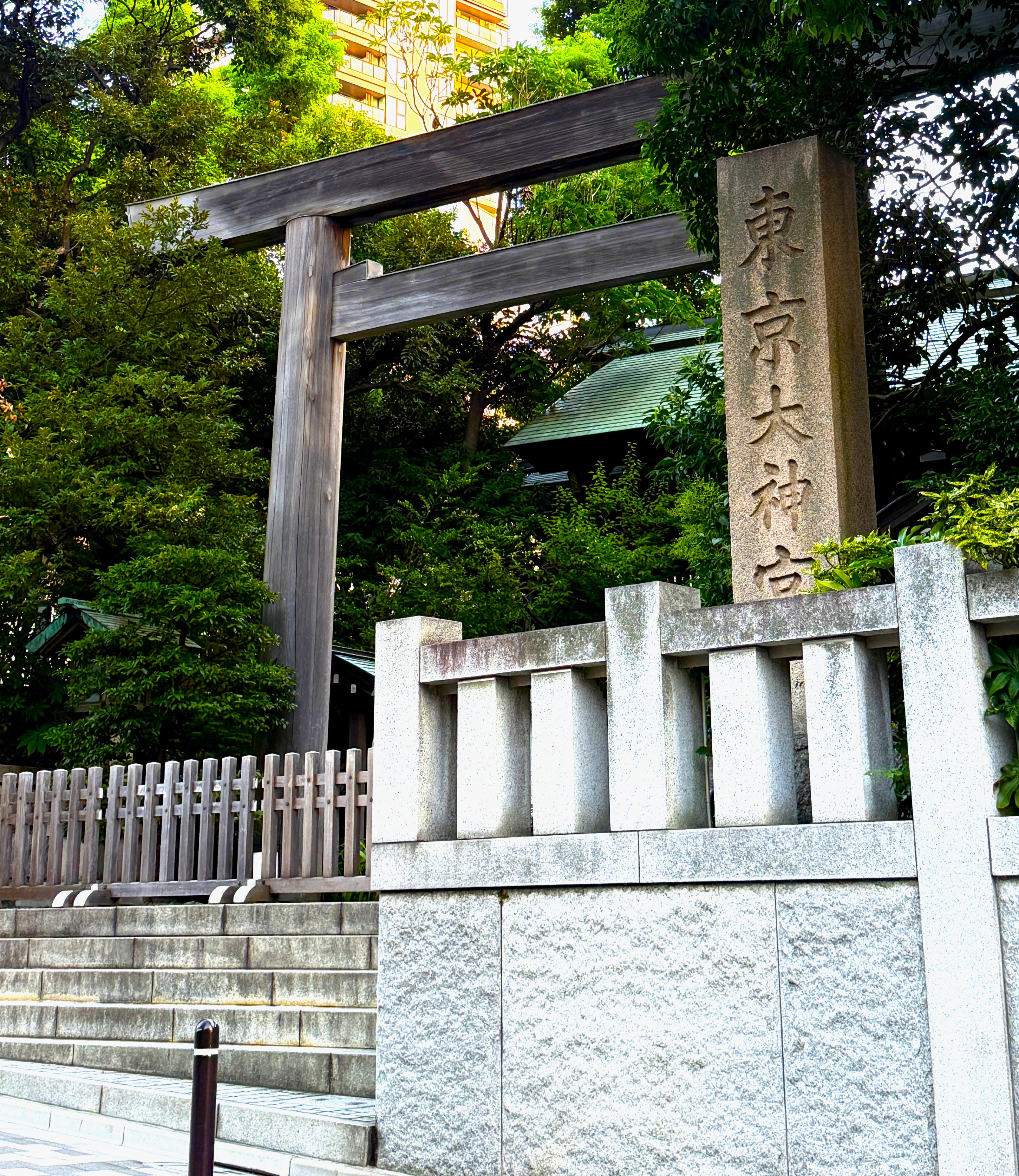
Tokyo Daijingu: The Sacred Shrine for Love & Matchmaking in Tokyo
If you are seeking a spiritual connection in the heart of the city, Tokyo Daijingu (東京大神宮) is a destination I always recommend.
Known affectionately as “Tokyo’s Ise Shrine,” this sacred site is not just a beautiful spot for photos—it is a powerhouse of tradition.
In my years covering Japanese culture, I have found few places that blend history and modern romance as seamlessly as this shrine.
Whether you are hoping for a new relationship or wishing for a happy marriage, this guide will help you experience Tokyo Daijingu like a local.
Why Tokyo Daijingu is Known as “Tokyo’s Ise Shrine”
Established in 1880, Tokyo Daijingu holds a unique position in Shinto history.
It was originally created to allow people in Tokyo to worship the deities of Ise Jingu—Japan’s most sacred shrine—without traveling all the way to Mie Prefecture.
For us researchers of Japanese tradition, its significance goes even deeper.
In 1900, the very first modern Shinto wedding ceremony was held here for the Crown Prince (later Emperor Taisho).
Because of this, it is widely recognized as the birthplace of the traditional Japanese wedding, cementing its reputation as a sanctuary for love and unions.
The Power of “En-musubi” (Matchmaking)
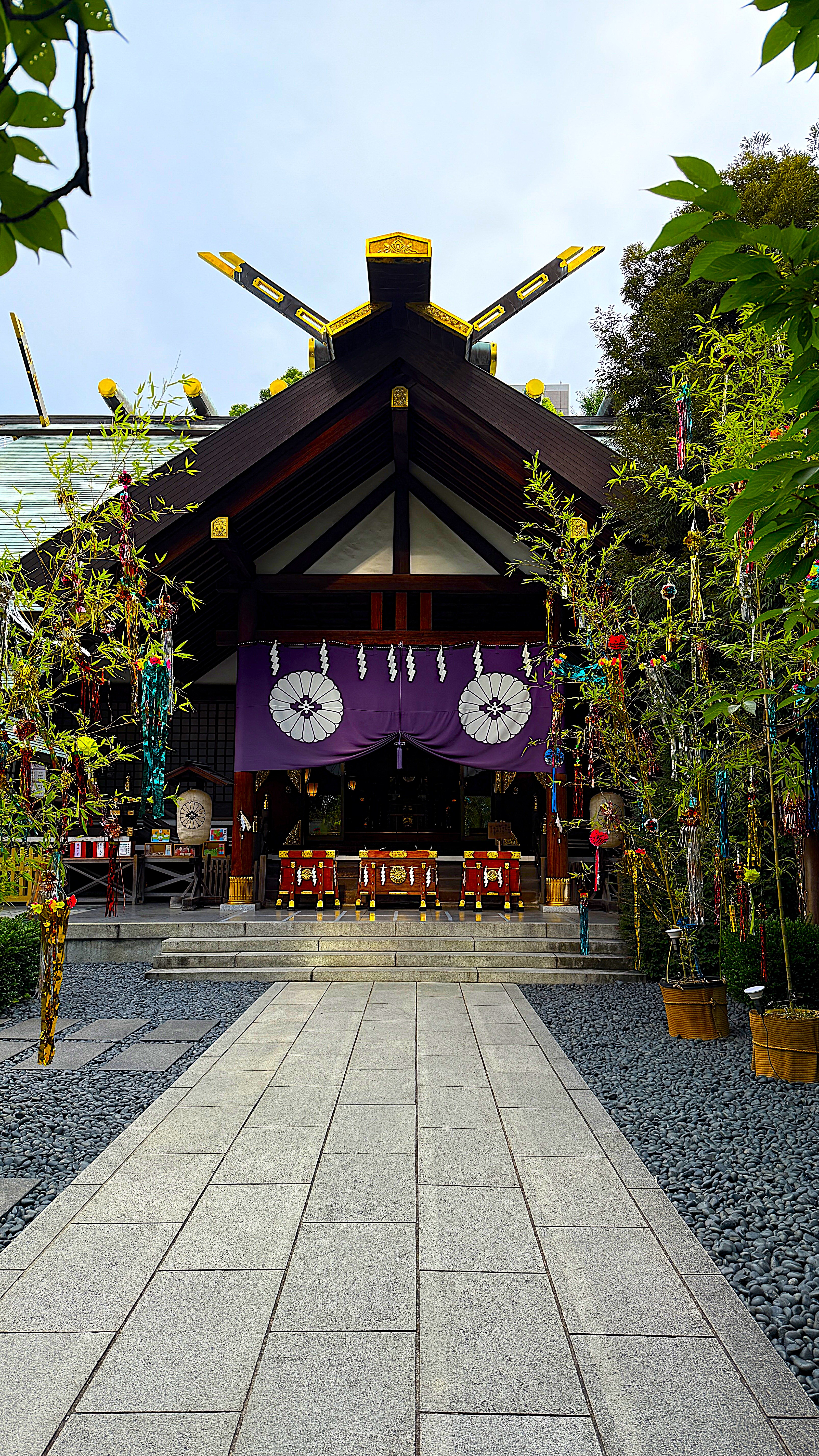
The shrine is dedicated to the three deities of creation, who are believed to connect all things in the universe.
In my professional experience, visitors often report a sense of renewed hope after visiting. The concept of “En-musubi” (縁結び) rests here.
It is not limited to romantic love; it encompasses connections with friends, colleagues, and opportunities.
If you are looking to strengthen your interpersonal bonds, this is the place to pray.
Must-Experience Spiritual Practices
To fully appreciate your visit, I suggest engaging in these unique traditions:
- Koi-mikuji (Love Fortunes): These are famous for their accuracy. Unlike standard fortunes, they offer specific advice on relationships. I advise reading them with an open heart.
- Suzuran Mamori (Lily of the Valley Charm): Shaped like the flower of happiness, this charm is a favorite among young women. It is said to bring luck when the bell inside rings.
- Musubi-fuda (Union Tablets): These wooden tags come in two parts. You write your name on one to leave at the shrine and keep the other. It symbolizes a lasting bond with the deity.
Correct Shrine Etiquette for Beginners
I often see visitors feeling unsure of what to do at the entrance.
Following these steps will ensure you pay your respects correctly:
- Bow at the Torii: Before passing through the sacred gate, bow once to show respect.
- Purify Yourself: At the temizuya (water pavilion), rinse your left hand, then your right, then your mouth. This physical cleansing prepares your mind.
- The Prayer Ritual: Approach the main hall quietly. Throw a coin (5 yen is lucky), then bow twice, clap your hands twice, pray, and bow once more.
Practical Information & Best Times to Visit
Location: 2-4-1 Fujimi, Chiyoda-ku, Tokyo Nearest Station: 5-minute walk from Iidabashi Station (JR and Metro lines).
Based on the crowds I have observed, here is my advice on timing:
- Weekday Mornings: The best time for a peaceful experience.
- Weekends: Can be very crowded with wedding processions and visitors.
- Cherry Blossom Season: Absolutely stunning, but expect longer wait times.
I recommend allocating about 45 minutes to soak in the atmosphere and explore the charms at your own pace.
Final Thoughts from a Cultural Expert
Tokyo Daijingu offers an authentic slice of Shinto life in the middle of a bustling metropolis.
It is a place where the ancient wish for connection meets the modern seeker.
Take a moment here to breathe, reflect, and perhaps open a new chapter in your life.
Summary: “True connection begins with a sincere heart—let Tokyo Daijingu be the starting point of your new story. 🌸”